LVP Over In-Floor Heat: What to Know
Short answer: Many LVP products are approved for radiant heat, but each sets its own limits. Check the exact product and follow the heat-up instructions.
Approval comes first
Not every vinyl product is approved for use over radiant heat. Look for the heated-floor statement in the manufacturer’s technical sheet, and keep it with your paperwork.
Temperature limits
Manufacturers set a maximum surface temperature, often in the high 20s Celsius, and a rule about how quickly to raise and lower the heat. Exceeding these limits can cause gaps, peaking or damage.
Installation details
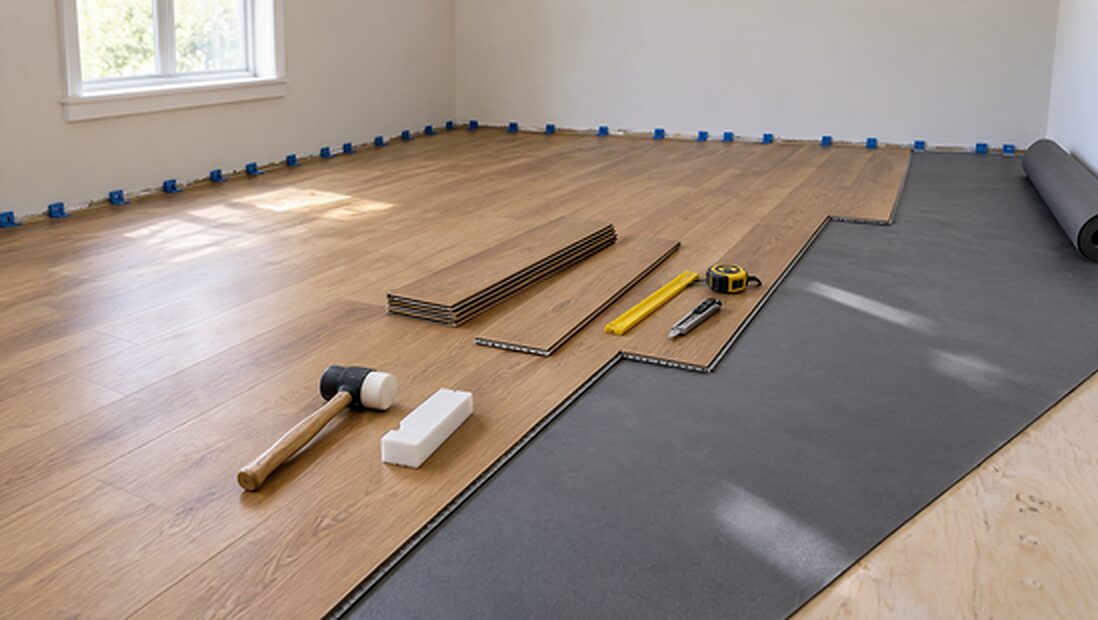
- Run the system and confirm it is working before flooring goes down
- Follow the manufacturer on whether to turn heat off during installation
- Avoid thick underlay that blocks heat
- Use a floor temperature sensor and keep the setting conservative
Things that can go wrong
Large sunny windows add heat from above, so a heated floor in a sun-filled room can reach its limit sooner than expected. Rugs and furniture that trap heat can also overheat a spot.