Calgary service
Kitchen & Bathroom LVP in Calgary
Water-resistant plank flooring for the rooms that see the most spills.
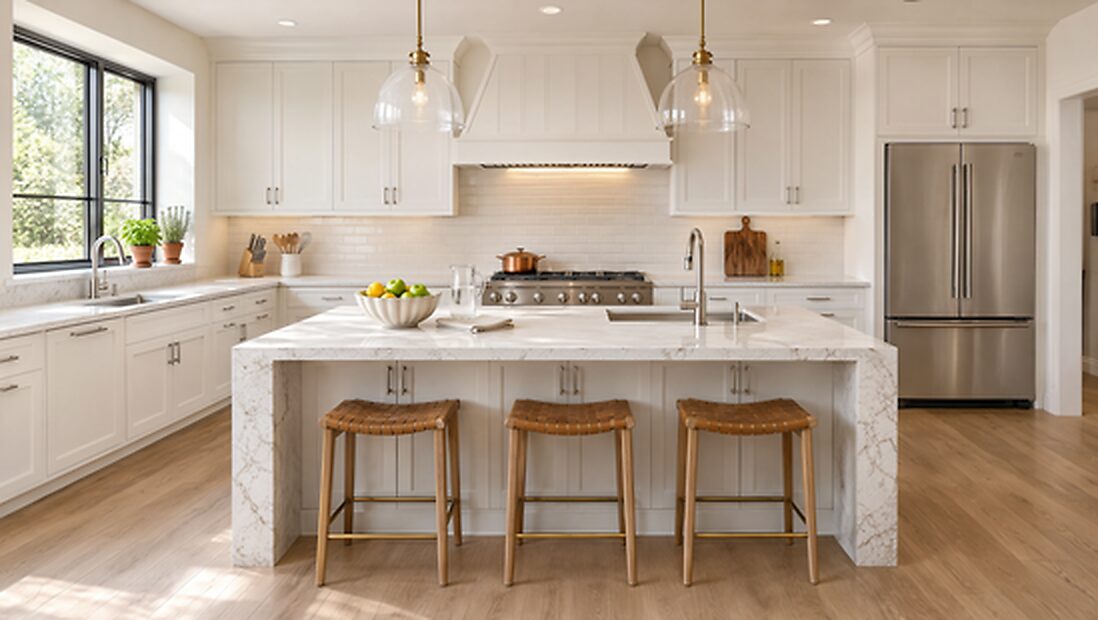
Kitchen & Bathroom LVP for Calgary homes
Kitchens and bathrooms are the rooms where homeowners ask for waterproof floors. LVP suits them well because the planks do not swell from spills. The details that keep water out are at the edges: where the floor meets cabinets, tubs, toilets and door frames.
In kitchens, floating floors should be installed around fixed cabinets rather than trapped beneath them, so the floor can move. In bathrooms, cuts around the toilet flange and tub need to be clean and finished with a flexible sealant where the manufacturer recommends it.
Details that protect the floor
- Expansion gaps hidden by baseboard, quarter-round or sealed trim
- Clean cuts around the toilet flange, vanity and heating vents
- Flexible sealant where the floor meets tubs and showers, if the manufacturer calls for it
- A plan for appliances: dishwashers, fridges with water lines, laundry machines
- Choosing planks with a waterproof core for wet rooms
What matters in Calgary
- Older homes may have layers of vinyl or underlay in the kitchen and bath. Have them identified and tested before removal.
- Heating vents at the floor edge are common in Calgary homes. Plan how the planks will be cut around them.
- If you are renovating cabinets as well, install flooring in the order the contractor recommends.
How the process works
- Plan Decide how the floor will meet cabinets, appliances and fixtures.
- Remove fixtures Take out toilets and appliances where needed.
- Prepare Level the subfloor and fix any past leak damage.
- Install Lay planks, cut around fixtures and seal edges.
- Reinstall Put fixtures back and check for leaks.
Get a free estimate: Kitchen & Bathroom LVP
Tell us about your floor. It takes about two minutes, and there is no obligation.
Request a free estimate Call (587) 324-9945Kitchen & Bathroom LVP across Calgary
Pick your neighbourhood to see local flooring notes.
Kitchen & Bathroom LVP: common questions
Is LVP flooring waterproof?
Most LVP has a waterproof or highly water-resistant core, so spills and humidity will not swell the planks the way they can with laminate or hardwood. The weak points are the seams and edges. Standing water can still get under a floating floor, so wipe up leaks quickly and have wet areas finished carefully.
What is the difference between LVP and laminate?
Laminate has a fibreboard core that can swell if it gets wet. LVP has a vinyl or stone-plastic core that handles moisture much better, and it is usually a little softer and quieter underfoot. Both come in click-lock planks, and both depend on a flat, clean subfloor.
Is LVP a good choice with pets and kids?
It is a common choice because it is easy to clean and resists scuffs and spills. A thicker wear layer helps with scratches. Sharp claws and dragged furniture can still mark any floor, so use felt pads under furniture and keep pet nails trimmed.
Related guides
SPC vs WPC Vinyl Plank Flooring
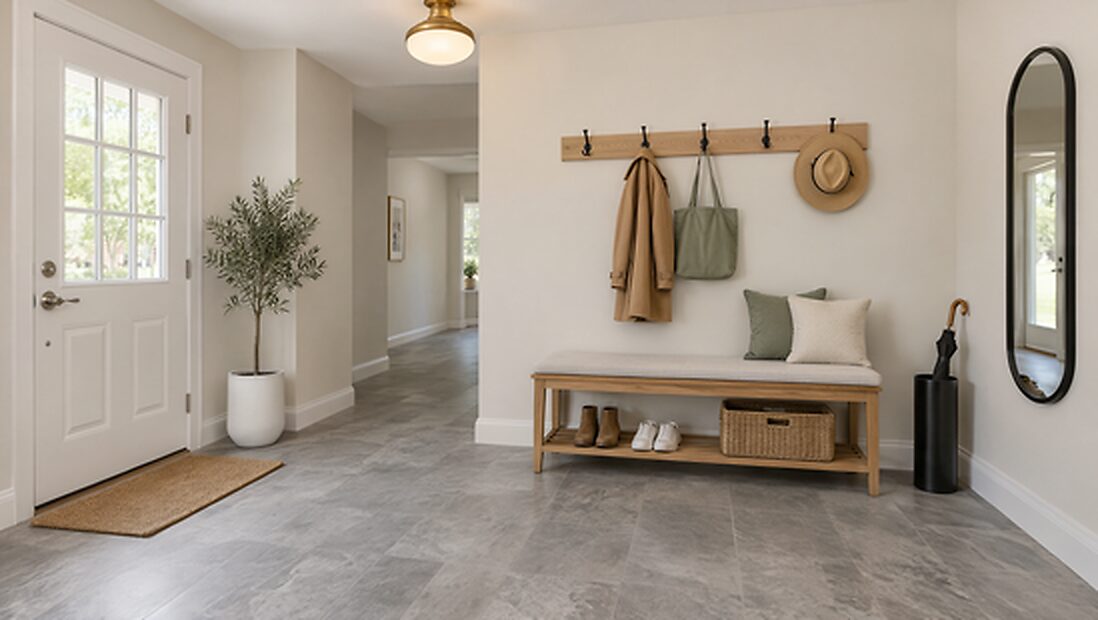
SPC is harder and more dent-resistant. WPC is softer and quieter underfoot. Both are waterproof or highly water-resistant in the core.
Read the guide →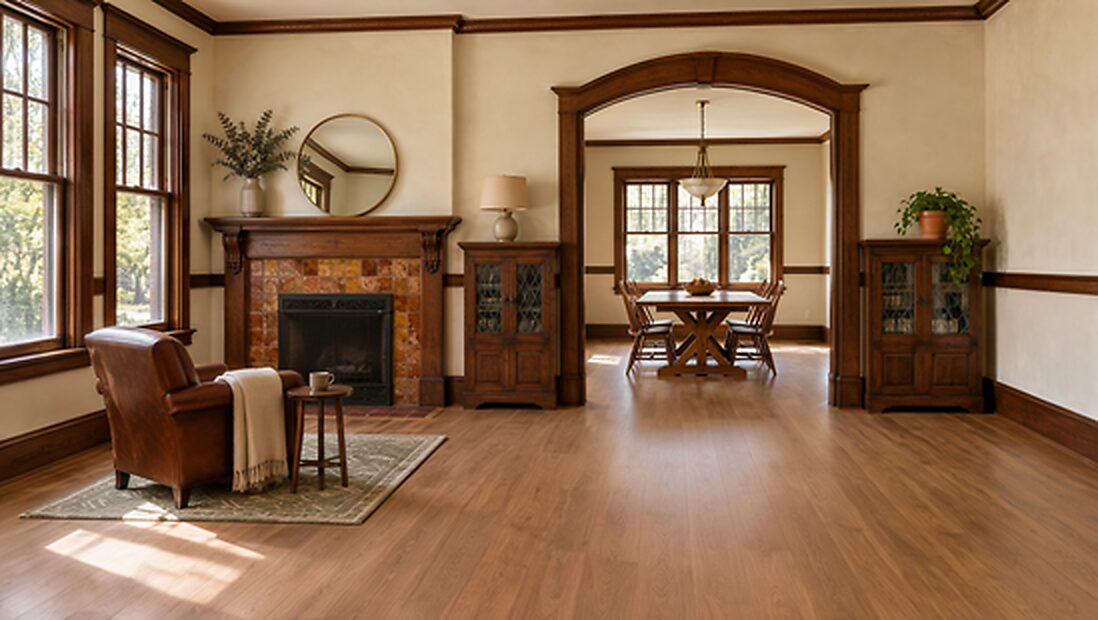
How to Clean and Care for LVP Floors
Sweep or vacuum often, mop with a neutral cleaner, wipe spills quickly and use pads under furniture.
Read the guide →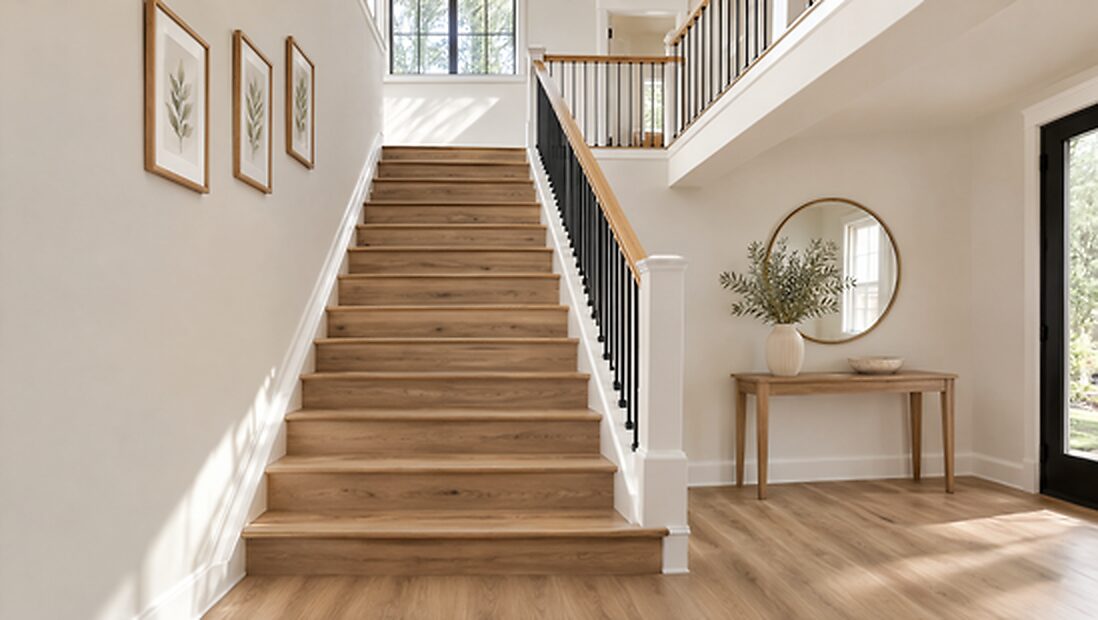
LVP Wear Layer and Thickness: What the Numbers Mean
The wear layer protects the surface and thickness affects feel and flatness tolerance. Choose by how the room is used, not just by the biggest number.
Read the guide →